

Bruxism & Clenching
Oral medicine specialists precisely evaluate TMJ correlation and treat with medication, botox, and oral appliances
BRUXISM & CLENCHING
Are you grinding your teeth
while you sleep?
Bruxism and clenching occur unconsciously during sleep, making them difficult to notice on your own. Left untreated, tooth wear and TMJ damage progress simultaneously, making treatment more complex.
SYMPTOM CHECK
Do you have these symptoms?
If even one applies, we recommend a specialist evaluation.
Your jaw feels sore and tired when you wake up.
You have been told you grind your teeth during sleep.
You tend to clench your teeth tightly when stressed.
Your teeth appear flattened or feel sensitive.
You frequently experience headaches and neck/shoulder stiffness.
White lines have appeared on your inner cheeks or tongue edges.
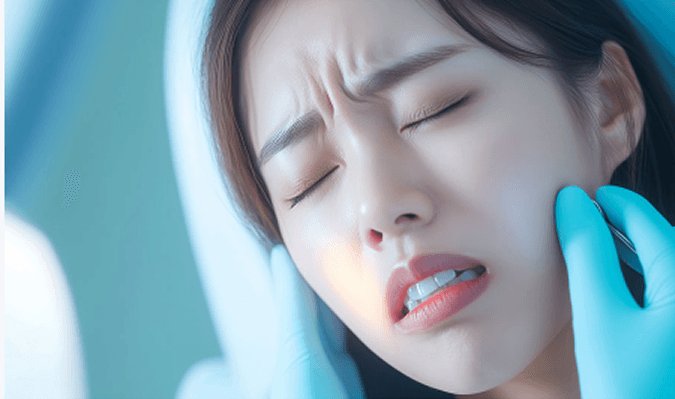
TMJ CONNECTION
Bruxism and clenching are
a leading cause of TMJ disorders
The force generated while grinding teeth during sleep can be several times normal bite force. This repeated excessive force causes TMJ disc displacement and joint damage. Our oral medicine specialists precisely evaluate the correlation with your TMJ condition.
TREATMENT
Bruxism & Clenching Treatment
EVALUATION · 01
Precise Evaluation of TMJ Correlation
Bruxism and clenching place excessive load on the TMJ, making them a major cause of TMJ disorders. Our oral medicine specialist uses cone-beam CT and clinical examination to accurately assess the current TMJ condition and correlation before deciding on a treatment plan.
MEDICATION · 02
Medication
Muscle relaxants and anxiolytics are prescribed to reduce muscle tension during sleep. Short-term medication is effective when stress-induced clenching is severe, and combining it with other treatments enhances effectiveness.
BOTOX · 03
Xeomin · Coretox
Botox Treatment
Botox injected into the masticatory muscles relaxes them. It reduces the force of hypertrophied muscles from bruxism and clenching, relieving pressure on the TMJ, teeth, and alveolar bone. To minimize patient tolerance, ESAM uses the well-known products Xeomin and Coretox.
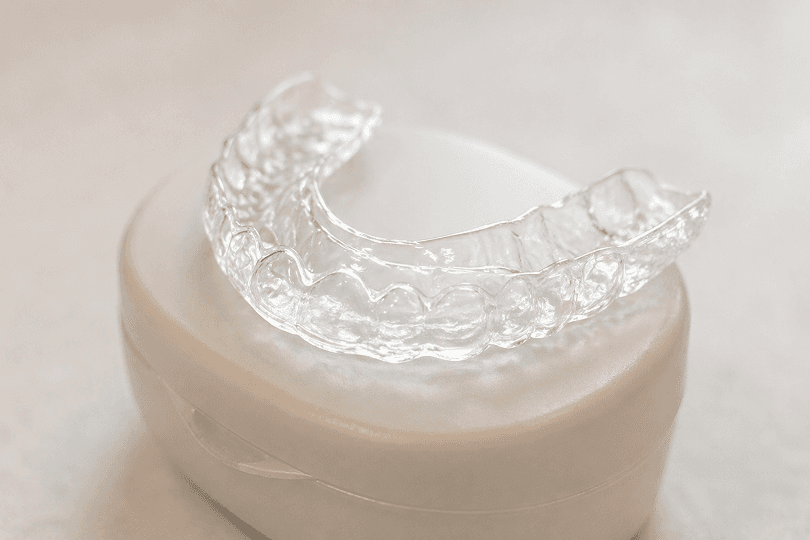
ORAL APPLIANCE · 04
Thermosplint
Oral Appliance Therapy
A custom-fitted night guard worn during sleep prevents tooth wear and protects the TMJ, masticatory muscles, and alveolar bone from damage. Unlike off-the-shelf products, it is custom-made to fit your teeth, minimizing occlusal changes.
FAQ
Frequently Asked Questions
What causes bruxism?
The exact cause is not yet fully understood, but stress, anxiety, sleep disorders, and malocclusion are known major factors. Excessive caffeine intake and certain medications can also worsen bruxism. Consulting an oral medicine specialist to identify individual causes is important.
What happens if bruxism is left untreated?
Teeth gradually wear down, reducing tooth height and causing the bite to collapse. Cracked teeth or tooth fractures may occur, and bone loss may accompany the condition. Excessive TMJ load can lead to TMJ disorders. Headaches and neck/shoulder pain may become chronic, and in severe cases, sleep disorders may follow.
How long does the botox effect last?
It typically lasts 4–6 months, though this varies by individual. As muscle tension eases and bruxism intensity decreases, treatment intervals may lengthen. To minimize patient tolerance, ESAM uses Xeomin and Coretox.
Must the oral appliance be worn every day?
The principle is to wear it during sleep, but guidance will be given at your appointment based on your condition and bite.