

Gum Treatment
Staged periodontal care from scaling to gum surgery
PERIODONTAL TREATMENT
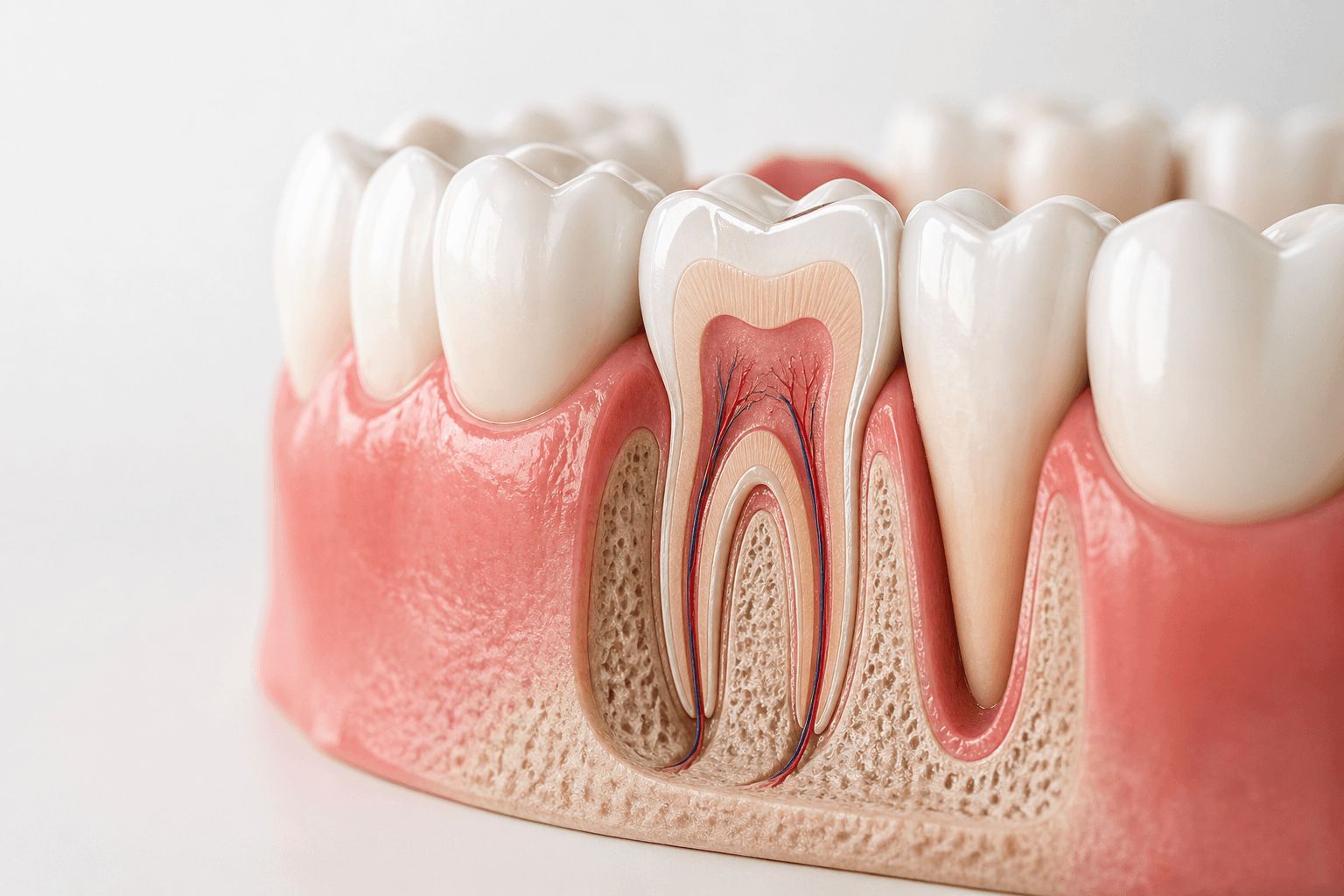
The foundation of healthy teeth
lies in the gums.
No matter how it starts, we create a gum environment where teeth can thrive. Silent gum disease dissolves bone without pain. Regular check-ups are the only way to catch it early.
PROGRESSION
Stages of gum disease
Gum disease progresses painlessly. The later the stage, the more complex the treatment.
1
Stage 1
Gingivitis
2
Stage 2
Mild periodontitis
3
Stage 3
Moderate periodontitis
4
Stage 4
Severe periodontitis
5
Stage 5
End-stage periodontitis
Before Stage 4, gum disease can be managed with scaling and non-surgical tools.
The longer treatment is delayed, the greater the risk of permanent tooth loss.
TREATMENT TYPES
Types of gum treatment
We choose the most appropriate method based on the stage.
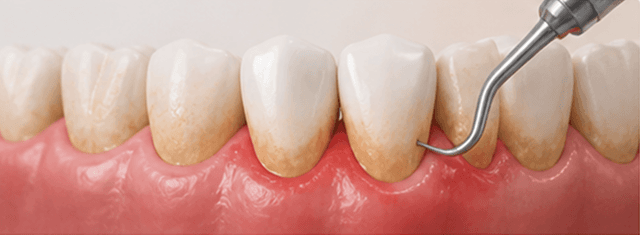
Scaling
The most basic gum treatment — removing tartar and plaque above the gumline. ESAM's gargle anesthesia system makes it comfortable without numbing injections.
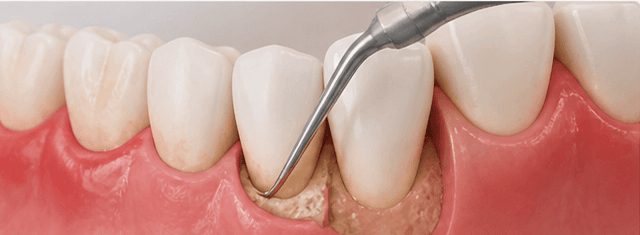
Root planing
Root Planing
Removes tartar and contaminated root surface below the gumline, smoothing it to prevent bacteria from reattaching.
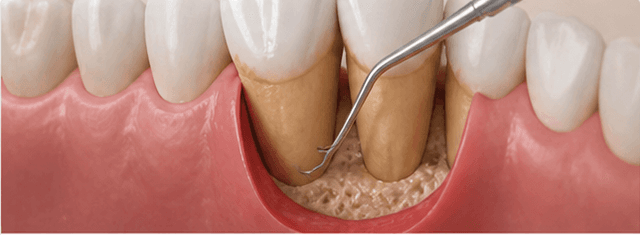
Curettage
Curettage
Scrapes inflamed tissue and tartar from deep within the gum pocket — accessing deeper areas than root planing.
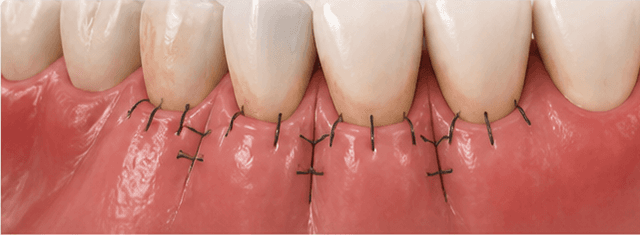
Gum surgery
Periodontal Surgery
When pockets are too deep for instruments, the gum is incised to directly remove tartar and inflamed tissue. Bone grafting may be included.
WHY ESAM
What makes ESAM gum treatment different
Early detection, minimal treatment
We catch periodontal disease early through regular check-ups and resolve it at the scaling stage. Prevention before surgery.
Gargle anesthesia scaling
For those who delay scaling due to sensitivity, ESAM uses a gargle anesthesia system. Comfortable treatment without injections.
Periodontics & oral surgery collaboration
When advanced disease requires extraction and implants, we immediately collaborate with in-house oral surgery specialists — no treatment gap.
Structured maintenance
We recommend regular supportive periodontal therapy (SPT) after treatment. 3–6 month intervals maintain treatment results long-term.