

Pediatric & Adolescent Orthodontics
Phase 1 orthodontics utilizing the growth period, aiming for extraction-free treatment
PEDIATRIC ORTHODONTICS
Pediatric orthodontics — growth itself is the treatment
A child's jaw bone and teeth are continuously growing. Harnessing this growth energy enables skeletal correction impossible in adult orthodontics, widening the scope of treatment significantly. Our orthodontics specialist proposes the optimal treatment timing for each growth stage.
Orthodontic Treatment Timing by Age
The treatment goal and appliances differ at each stage.
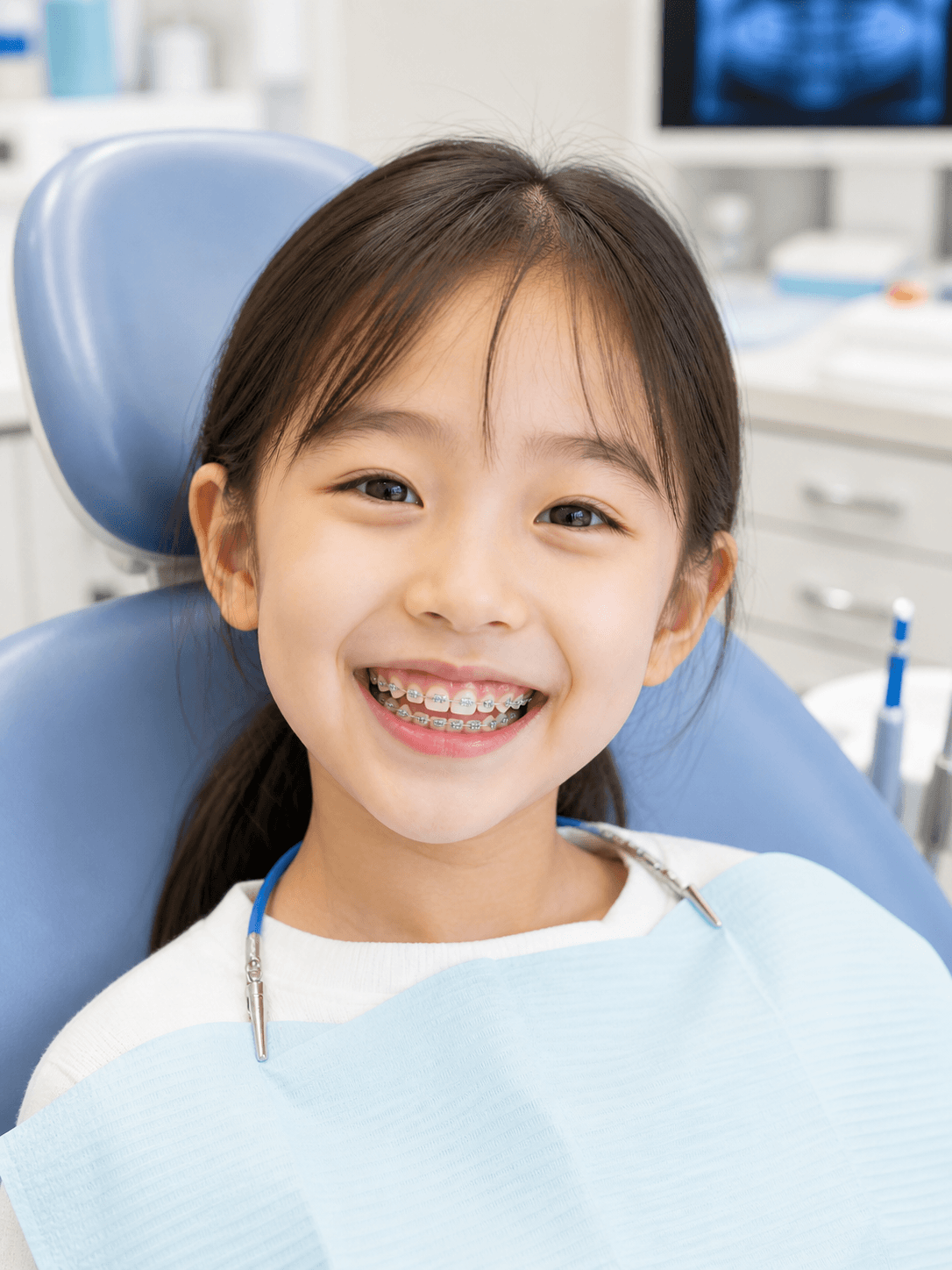
Ages 5–7
Phase 1 Orthodontics
If growth abnormalities such as underbite or skeletal discrepancy are found through jaw growth assessment, early treatment begins. Skeletal correction using growth potential is possible at this stage, and appropriate intervention can guide normal occlusion and harmonious facial growth.
Ages 8–12
Mixed Dentition Management
During the period when baby and permanent teeth coexist, it is important to manage the proper eruption of permanent teeth. Space maintenance, eruption guidance, and early alignment can reduce the scope and duration of Phase 2 treatment.
Ages 13–18
Phase 2 Orthodontics
After the permanent dentition is complete, this phase refines overall tooth alignment and occlusion. Comprehensive orthodontic treatment including extraction or non-extraction is performed as needed.
APPLIANCES
Pediatric & Adolescent Orthodontic Appliances
The appropriate appliance differs based on growth stage and occlusal condition.
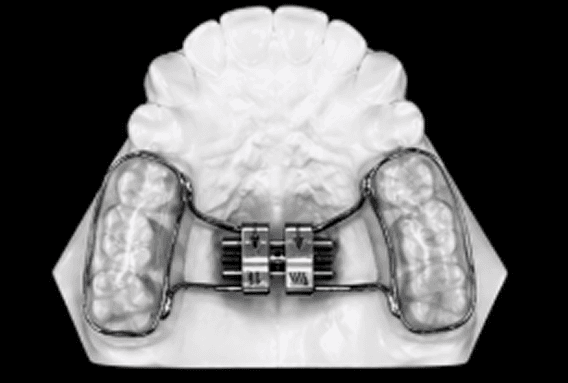
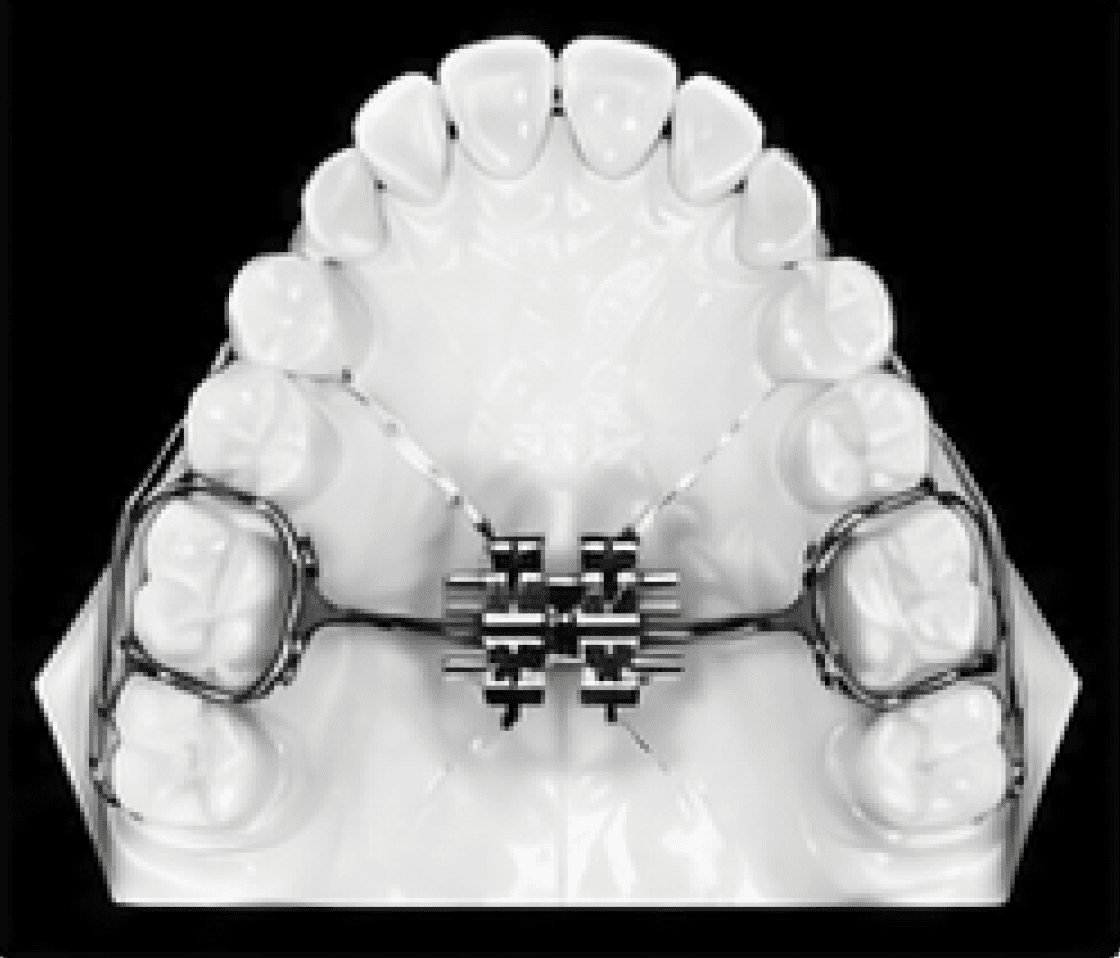
Expanders
Priolso · Schwarz · RPE · MARPE
Devices that widen the dental arch and jaw width to create space for permanent teeth. Priolso and Schwarz are removable for easy insertion and removal; RPE and MARPE are fixed to the upper or lower jaw for stronger expansion force. They play a key role in non-extraction space creation when the growth plate is open.
Skeletal Growth Guidance Appliances
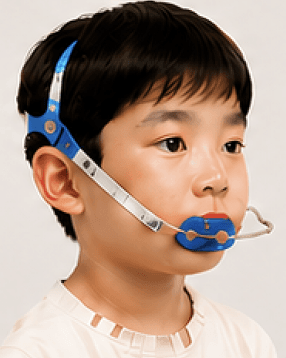
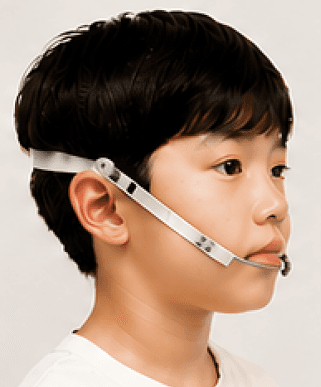
Priolso · Twin Block · MA · Facemask · Headgear
Appliances that control the direction and size of jaw growth. Priolso, Twin Block, and MA promote mandibular growth; the facemask guides maxillary growth to improve underbites; the headgear restrains maxillary overgrowth. They work effectively only during the growth period when bones are flexible.
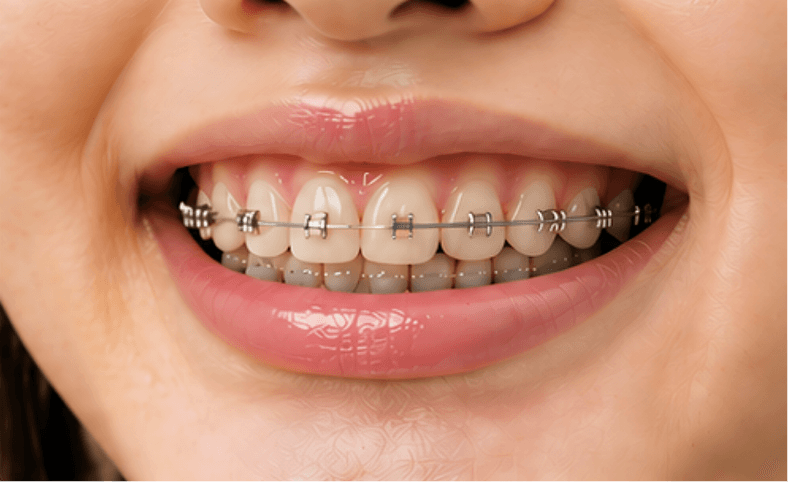
Fixed Bracket Orthodontics
Clippy-C · Damon · S-line
After permanent teeth are sufficiently positioned, brackets are bonded to tooth surfaces to correct the entire dentition. Used to finish residual issues after Phase 1 or for full adolescent orthodontics. Self-ligating brackets reduce friction for efficient tooth movement and minimize discomfort at appointments. Ceramic brackets offer excellent aesthetics close to tooth color.
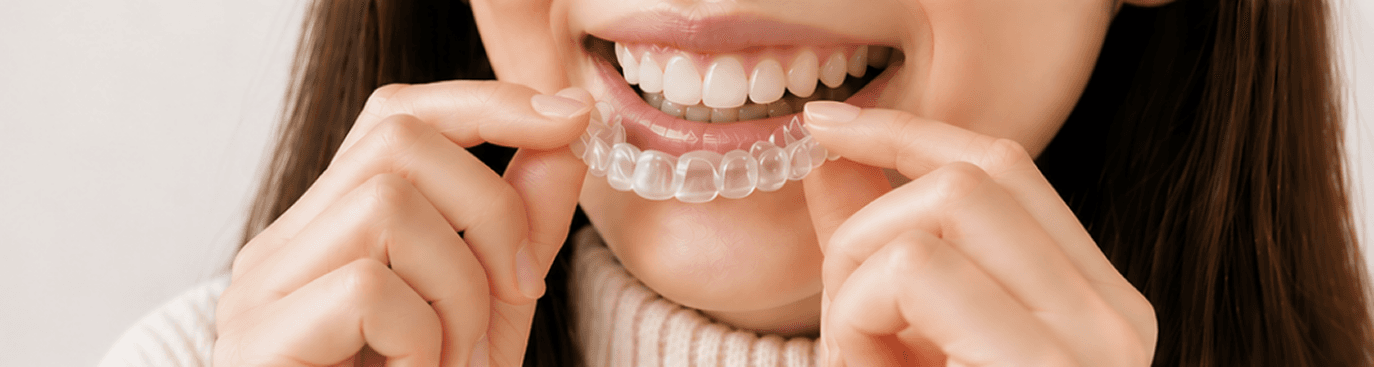
Clear Aligners
Invisalign · Seraphin
Transparent appliances with excellent aesthetics. Used not only for tooth movement but also for skeletal treatment such as arch expansion and mandibular growth. Wear time is critical — consistent wear of 22 or more hours per day is needed for sufficient results.
FAQ
Frequently Asked Questions
What is the best age to start orthodontic treatment?
It depends on the condition. For underbites or skeletal discrepancies, early treatment at ages 5–7 is recommended. For simple tooth alignment issues, full orthodontics is possible around ages 10–12 when most permanent teeth have erupted. The exact timing is determined by the specialist through clinical and radiographic evaluation.
If my child has Phase 1 orthodontics, do they still need Phase 2?
Phase 1 does not fully replace Phase 2 orthodontics. However, improving skeletal issues during the growth period reduces the scope and duration of Phase 2. In mild cases, treatment may be completed without Phase 2.
What is the difference between fixed and removable appliances?
Fixed appliances are bonded to teeth and cannot be removed by the patient. They allow precise tooth movement but make oral hygiene more challenging and may cause initial discomfort. Removable appliances can be taken out by the patient, making hygiene easier and generally more comfortable, but effectiveness drops if wear time is insufficient.
Can children also be treated with clear aligners?
In most cases, treatment with clear aligners is possible depending on the case. They can be used for skeletal treatment including arch expansion and mandibular growth as well as tooth movement. Consistent wear of 22 or more hours per day is required for sufficient results.